
Evaluating haze and rigidity in PP cups and cast film
In a PP clarity project, we define what the customer sees, fix the test conditions and check whether the change affects stiffness or processing.
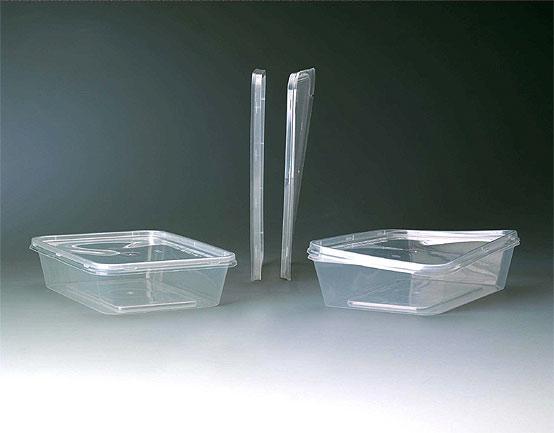
First agree on what clearer means
For one customer, clearer means lower haze. Another may be concerned with gloss, transmission or how sharply the contents can be seen through the wall. We agree on the material, thickness, conditioning and measurement method before comparing formulations.
For injection-moulded containers, thermoformed cups and cast film, the visual result is checked with stiffness, top load and line stability. Improving one reading while making the cup difficult to form is not a successful trial.
The control and trial must use the same conditions
We keep the resin source, thickness and processing window consistent, then record haze or transmission and inspect gloss, surface, stiffness and forming behaviour. This separates a material effect from a thickness change or line fluctuation.
Our clarity and rigidity systems are selected against the actual polymer, equipment and target. Final confirmation is made on the customer's part or film, not from a family description in the catalogue.
What our team needs before sampling
Send the current resin, product type, sheet or wall thickness, process, visual concern, mechanical requirement and test standard. An approved part or film reference is especially helpful. We can then prepare the control, dosage plan and inspection points for the first run.
Questions answered
Is haze the same as clarity?
They are related but not identical. Haze describes scattered light; visual clarity may also depend on transmission, gloss, thickness and the product's surface.