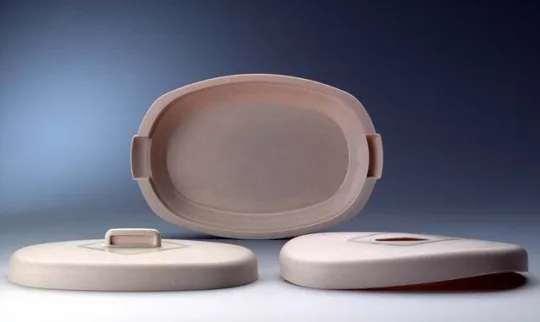
How to investigate PP injection-moulding warpage, shrinkage and cycle time
A practical starting framework when a PP part warps after ejection, shows sink marks, or needs a shorter cooling cycle.
Read article →
Newsroom
Practical articles, technical Q&A and company updates built around processing conditions, product failures and verifiable targets.
A practical starting framework when a PP part warps after ejection, shows sink marks, or needs a shorter cooling cycle.
Read article →
A useful way to frame a clarity project: define the visual target, keep the test method consistent, and balance haze with rigidity and processing.
Read article →
A concise request that gives a materials team enough context to propose a relevant trial instead of guessing from a product name.
Read article →
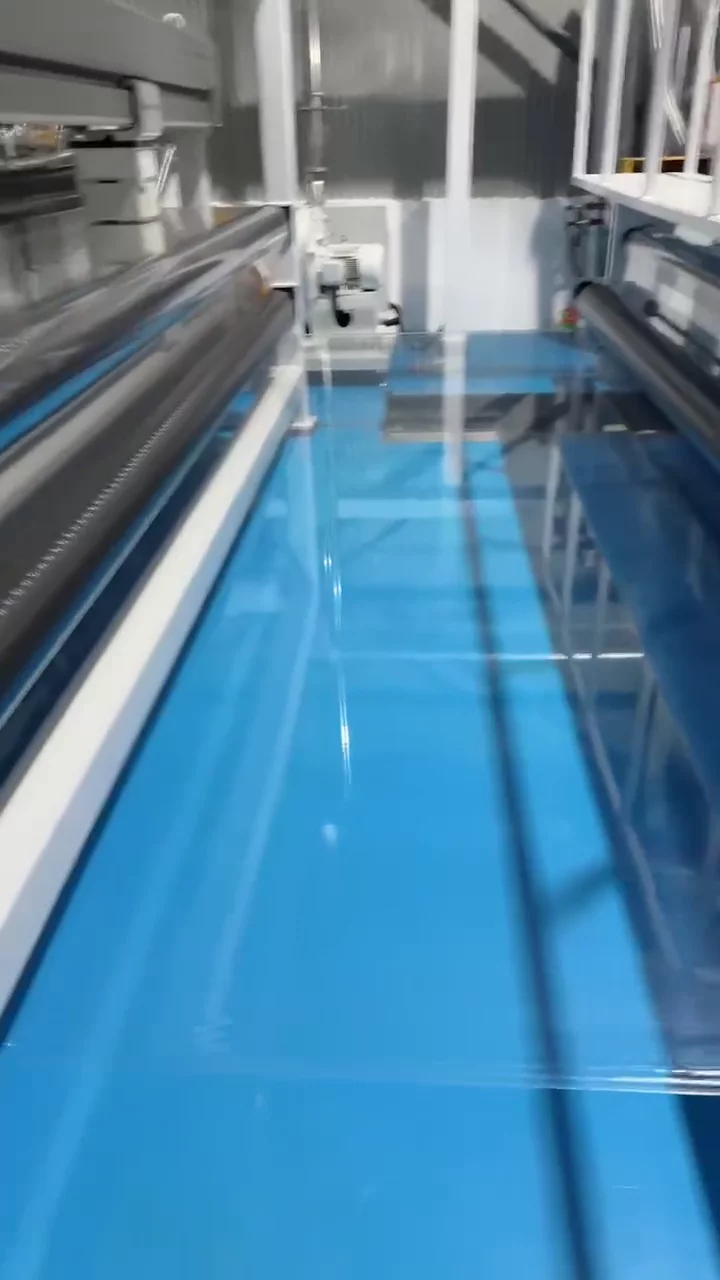
When a film opens poorly or blocks in storage, inspect the finished roll, winding tension, surface feel and the time between production and use. The answer is rarely found from one coefficient alone.
Read article →
Anti-fog performance depends on the food, temperature difference, film structure and observation time. A clear-looking sample at room temperature does not replace a use-condition check.
Read article →
Barrier discussions need a clear target: which gas or moisture path matters, what is being packed, how long is the shelf period, and what film structure is already in use?
Read article →
Impact data is only comparable when specimen preparation, conditioning temperature and test method are recorded together. A result from one temperature should not be used to describe every service environment.
Read article →
The resin, part thickness, target test method, colour requirement and processing route should be confirmed at the start. These conditions can change both material selection and trial interpretation.
Read article →
Outdoor exposure is shaped by location, orientation, colour, wall thickness and the product's actual duty. A weathering plan should state which appearance or property change matters most.
Read article →
An antibacterial claim needs to match the intended article, resin system, test approach and regulatory context. It should not be extended beyond the agreed conditions.
Read article →
For fittings, inspect section thickness, gate position, hold conditions and cooling before judging a material route. Internal voids and surface shrinkage may not share the same cause.
Read article →
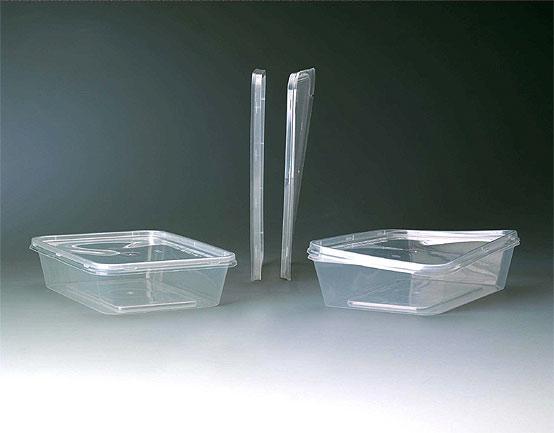
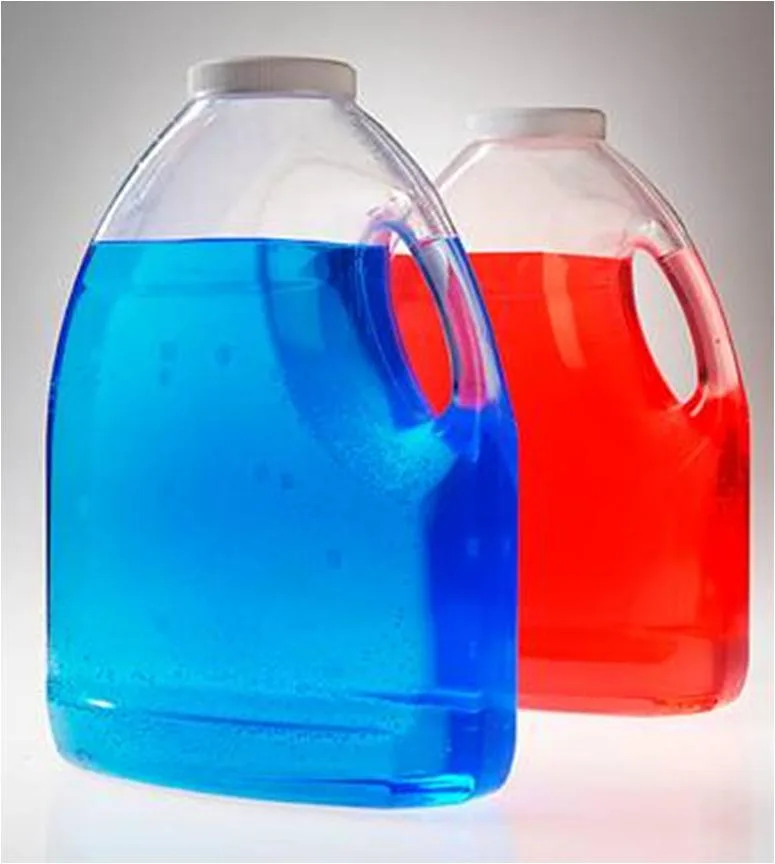
For a transparent tank or container, weld lines, flow marks, thickness variation and mould surface can affect what the customer sees. Transmission alone does not describe the final appearance.
Read article →
Recycled material can vary by source, odour, contamination, melt behaviour and prior history. A single retained sample should not be treated as a permanent description of the supply.
Read article →
Sink marks are often discussed as a material issue, but rib design, wall thickness, packing and cooling all affect the result. The visible surface can lag behind what happens inside the section.
Read article →
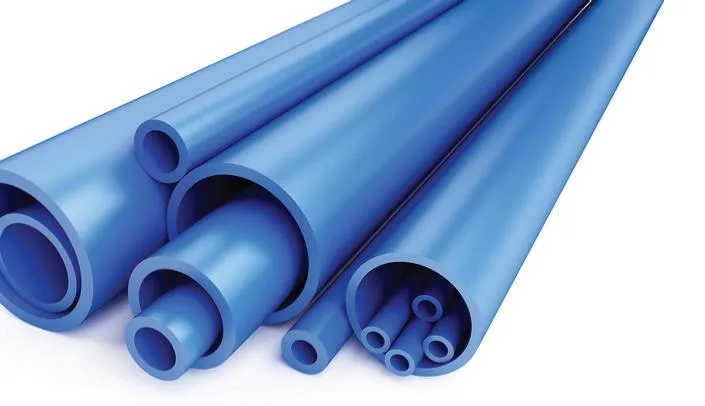
For profiles, sheets and pipes, record melt pressure, temperature profile, haul-off and cooling conditions before attributing a dimension change to one ingredient.
Read article →
A dosage ladder is useful only when the base resin, machine settings and test method remain stable. Changing several variables in the same run makes a result difficult to interpret.
Read article →
A laboratory result is a starting point, not a substitute for the customer's equipment. When moving to production, record the grade, lot, dosage, machine and acceptance points used in the earlier comparison.
Read article →
A data sheet describes a material under defined conditions; it does not describe every resin, thickness, part or process. Check the stated basis before comparing figures from different documents.
Read article →
Surface observations can differ between the die side and chill-roll side, before and after winding, or under different lighting. Naming the observation point prevents vague feedback.
Read article →
A cup can look clear yet behave differently in stacking or filling. Wall distribution, forming conditions and resin behaviour all matter when top-load performance is discussed.
Read article →
Drawing stability, yarn appearance and downstream weaving are practical first checks for an outdoor flat-yarn project. Outdoor performance planning should then reflect the intended location and construction.
Read article →
The first discussion works best when the customer brings a part or film description, current material, process constraint and a clear reason for changing. That gives the team something concrete to test.
Read article →
When a project has several targets, a test plan helps define which result is essential and which trade-off is acceptable. It also avoids repeating samples because the acceptance condition was unclear.
Read article →
A distributor does not need to solve the material question before contacting us. A short customer brief—application, resin, process, problem and target—is enough to start a useful technical conversation.
Read article →
A resin-grade development project should begin with the downstream conversion and market need, not only a list of additive functions. The target processor, equipment and product geometry influence the technical route.
Read article →
Documents should be read with the confirmed material grade and project requirement in mind. Generic paperwork cannot answer application-specific questions about dosage, processing or compliance scope.
Read article →
Storage is not only about keeping bags dry and intact. The lot, opening date and handling record help a plant trace what was used if a later comparison is needed.
Read article →
Words such as clear, glossy or smooth mean different things to different people. A retained approved sample, defined lighting and a stated viewing distance make an appearance discussion more practical.
Read article →
A roll sample is more valuable when the roll identity, winding direction, selected area and observation are written down. This helps connect a later customer comment to the relevant material and process record.
Read article →
A photo cannot replace a drawing or test result, but it often shows gate position, rib layout, visible defect and scale quickly. It gives a materials discussion a more concrete starting point.
Read article →